
Building a Healthy Lifestyle for the Modern Man
- men's health
- fitness
- nutrition
- mental health
- wellness
Understanding Modern Men's Health
Modern men are redefining what it means to be healthy, shifting from short-term goals to sustainable lifestyles. The days of thinking "health" means only building muscle or losing weight are gone. Today, a more balanced and informed approach values physical fitness, mental clarity, emotional intelligence, and long-term well-being.
Although heart disease is the leading cause of death for both men and women, men can face issues sooner, at a younger age.
Lifestyle choices play a role in the health profile of the modern man. Factors such as smoking, high alcohol consumption, and a diet lacking in essential nutrients contribute to much higher rates of heart disease and cancer compared to women.
But here's the good news: these same lifestyle choices that put men at risk are also fully within your control. Building a healthy lifestyle is not about perfection—it's about making consistent, small changes across several key areas of your life.
Move Your Body Every Day
Current public health recommendations propose engaging in at least 150 minutes per week of moderate-to-vigorous activity to help prevent and manage multiple chronic conditions, notably cardiovascular disease, type 2 diabetes, obesity, and some cancers.
The problem many modern men face is that our daily lives have become increasingly (that is, inactive). We are spending increasing amounts of time in environments that not only limit physical activity but require prolonged sitting—at work, at home, and in our cars and communities. These changes have a dual effect on human behavior: people move less and sit more.
Why Sitting Is a Silent Health Risk
Prolonged sitting can have unintended consequences for health with sitting time >7 h/d, leading to a 5% increase in all-cause mortality with each additional hour spent sitting (i.e., +7 h/d), while considering physical activity levels. This means that even if you exercise, spending most of your day sitting cancels out some of those benefits.
Studies have shown that people who lead sedentary lifestyles are at a higher risk of developing anxiety, depression, and stress-related disorders. Physical activity helps boost mood by releasing endorphins, which are natural mood elevators.
Practical Movement Strategies
You don't need to run marathons or spend hours in the gym. Physical activity remains a of a healthy lifestyle in 2026. Incorporate a mix of aerobic exercises for cardiovascular health, strength training for muscle maintenance, and flexibility exercises to reduce the risk of injury.
Look for ways to work in bits of activity, or "," throughout your day to break up extended periods of sitting. There are all sorts of opportunities—you just have to look for them. This might mean taking the stairs instead of the elevator, walking during a lunch break, or doing some light stretching after work.
In 2026, men's fitness is no longer just about lifting heavier weights or running faster. The focus has expanded to functional movement, mobility, balance, and core stability.
Many working-age men experience back pain, tight shoulders, and limited mobility due to prolonged sitting and repetitive workouts.
Eat to Fuel Your Body and Mind
Nutrition is not about following complicated diet rules. Balanced, nutrient-rich eating habits lay the foundation for overall well-being. In 2026, focus on like fruits, vegetables, whole grains, lean proteins, and healthy fats. Reducing processed foods and added sugars, along with staying well-hydrated, can significantly enhance your and well-being.
Key Nutrients for Men
Protein isn't just for bodybuilders. It helps preserve muscle mass as men age, supports immune function, and keeps you feeling full. Aim for a source of lean protein at every meal—chicken, turkey, fish, eggs, Greek yogurt, legumes, or tofu.
Aim for about 0.8 to 1.0 grams per kilogram of body weight—roughly 55 to 70 grams daily for a 150-pound person.
Despite old myths, healthy fats are essential. Omega-3 fatty acids (found in salmon, flaxseeds, and walnuts) reduce and support heart and brain health—two top priorities for men.
Vegetables and fruits matter more than you might think. Fruits and vegetables are rich sources of essential vitamins, minerals, fiber and antioxidants. Including a variety of colorful fruits and vegetables in the diet provides important nutrients that support overall health, boost the immune system and reduce the risk of chronic diseases.
The Mediterranean Diet Connection
Both research experts and organizations like the American Heart Association strongly advocate for the Mediterranean diet, which emphasizes plants, whole grains, healthy fats and lean proteins while remaining flexible. Research consistently shows this approach reduces inflammation—a key driver of chronic diseases from heart disease to Alzheimer's.
Hydration Basics
Staying hydrated is crucial for supporting various bodily functions, including temperature regulation, nutrient transport, digestion and cognitive function.
Conventional wisdom tells us that we should consume 8 glasses of water a day or about 2 litres, but this number is dependent on your age, body size, activity levels and other environmental factors.
A simple rule: if you're thirsty, drink water. If you're exercising or the weather is hot, drink more.
Sleep: The Foundation of Everything
By focusing on exercise, diet and sleep, and minimizing stress, young adults can build a lifelong foundation for health as they age. Yet many men neglect sleep, thinking it's a waste of time.
Why Sleep Matters So Much
The sweet spot is usually greater than seven hours. Research shows that people who consistently get less than seven hours of sleep per night have higher rates of obesity, diabetes and cardiovascular disease by middle age, even after accounting for other lifestyle factors.
When you don't get enough sleep, your body stays in high alert mode and produces more cortisol. Cortisol is a stress hormone that makes your heart beat faster and your muscles tense up.
The Sleep-Stress Connection
Sleep and stress form a . Poor sleeping habits make it harder for your brain and body to handle pressure, stay calm and recover from emotional strain. Over time, sleep difficulties can affect your mental health, making even small problems feel overwhelming. Conversely, adequate sleep lowers cortisol levels and helps men manage stress. Rested men respond more effectively to challenges and maintain emotional resilience throughout demanding situations.
Building Better Sleep Habits
Going to bed and waking at the same time keeps your circadian rhythm steady, signaling your body when to rest. This consistency matters more than sleeping extra hours on weekends.
To improve sleep, avoid caffeine and other stimulants after early afternoon. Avoid alcohol before bedtime—it can reduce the quality of sleep and cause more frequent sleep interruptions. Try to go to bed and wake up at the same time every day, even on weekends. Maintaining a consistent sleep schedule is healthier than trying to weekend-warrior your sleep.
Practicing , meditation, or breathing exercises calms your mind and reduces tension before bed. Journaling or evening routines help you process thoughts and unwind.
Mental Health: A Real and Important Pillar
Mental health is not separate from physical health—they are deeply connected. Men and women face similar challenges to mental health. But men are less likely than women to seek care. Doing so, though, can be life-changing—and, in some cases, life-saving.
Exercise as Medicine for the Mind
Research suggests that exercise is as effective as and talk therapy. This is not exaggeration—it's based on solid scientific evidence. A well-balanced diet rich in essential nutrients can significantly impact mood, energy levels, and overall mental well-being. Exercise induces neurochemical changes that benefit long-term brain health and . Combining a balanced diet with regular exercise offers effects for optimal mental health.
Regular physical activity reduces the levels of the body's stress hormones, such as adrenaline and cortisol. By lowering these hormones, exercise helps alleviate feelings of stress and anxiety.
Nutrition and Mood
What you eat affects how you think and feel. Exercise produces 'happy feel-good' neurotransmitters - such as endorphins, endocannabinoids, and dopamine in our brains, which have a positive effect on improving conditions such as depression or anxiety. Similarly, a Mediterranean diet has been linked to lower rates of depression.
The Power of Connection
Socializing is another one that can help out a lot. Just being around people, talking with them, can do a lot of things to help alleviate your depressive symptoms.
Strong relationships are now recognized as a key component of good health. Spending time with friends, family, and community helps reduce stress and improve overall happiness. Men are placing more value on meaningful connections rather than isolation, understanding that emotional support plays a crucial role in well-being.
Bringing It All Together: Prevention Is Simpler Than You Think
Rather than chasing symptoms, holistic care focuses on prevention, optimization, and long-term vitality—helping men enter 2026 feeling prepared, , and confident.
The earlier you start, the better your health will be long-term; the less damage you'll have to undo. You don't need to overhaul your entire life. Small, consistent changes in how you move, sleep, eat and manage stress add up.
The modern healthy lifestyle for men is built on four simple pillars that reinforce each other:
- Move regularly: Aim for 150 minutes of moderate activity per week, plus breaks in sitting throughout your day.
- Eat real food: Focus on whole foods—lean proteins, fruits, vegetables, whole grains, and healthy fats.
- Sleep consistently: Aim for 7+ hours at the same time each night.
- Manage stress: Use exercise, social connection, and relaxation practices to keep stress manageable.
You don't need the perfect diet, the most expensive gym membership, or a rigid routine. What you need is consistency. Start with one area—maybe it's going for a 20-minute walk three times this week, or swapping soda for water, or setting a consistent bedtime. Once that feels natural, add another change. This approach builds lasting habits, not quick fixes that fade away.
Your health is not a destination—it's a practice, and it starts today.
Share
Test yourself
According to the post, how many hours of sleep per night does research recommend for adults?
Sources
Related articles

Understanding Spirituality in 2026: A Guide to Modern Beliefs and Practices
Spirituality in 2026 is shifting toward personal, flexible practices that blend technology with timeless traditions. Young people are choosing individual spiritual paths over formal religion while seeking meaning and connection.
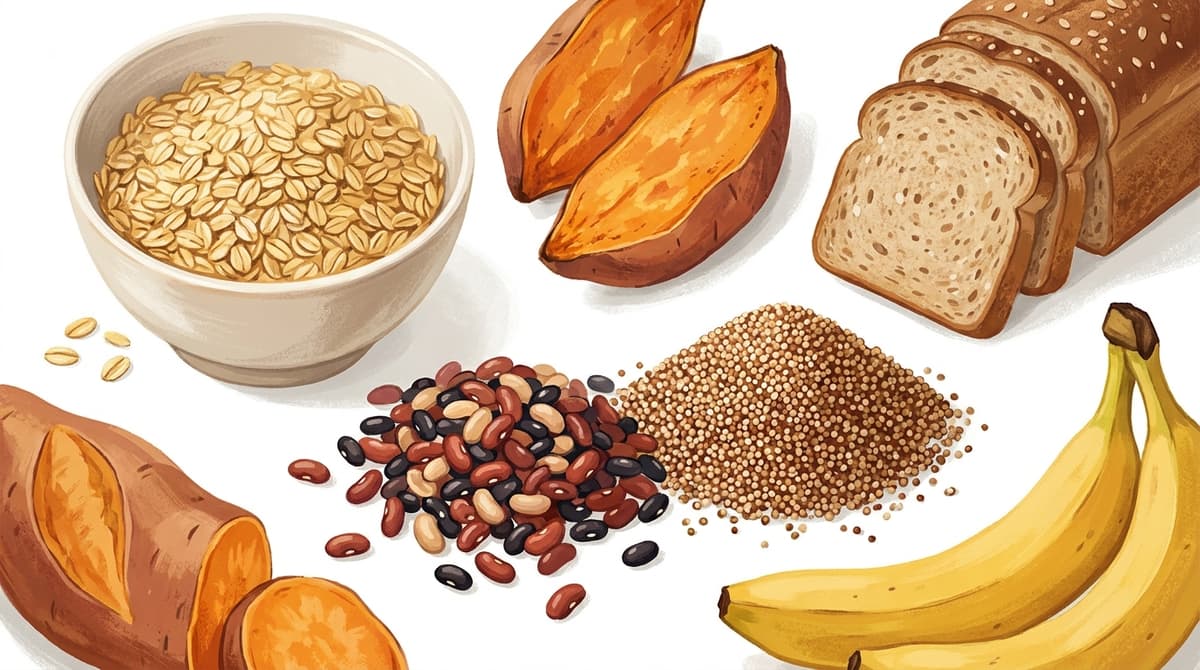
The Best Natural Sources of Carbohydrates for Your Health
Discover which natural carbohydrate sources provide the most nutrients and health benefits, from whole grains and legumes to starchy vegetables and fruits.
How Losing Your Breath Helps You Lose Weight
Discover the surprising connection between breathing, exercise, and weight loss. Learn how proper breathing and cardiorespiratory exercise work together to burn fat and improve your metabolism.