Introduction to Comedy
- comedy
- literature
- entertainment
- humor
What Is Comedy?
Comedy is a genre of works intended to be humorous or amusing by inducing laughter, especially in theatre, film, stand-up comedy, television, radio, books, or any other entertainment medium. At its heart, comedy is fundamentally about making audiences laugh. But it is much more than just jokes or silly situations—it is a sophisticated form of storytelling that has existed for thousands of years.
The key distinction of a comedy is that it will have a happy ending. Whether a character overcomes , a relationship develops, or a conflict resolves, comedy tends to conclude on an uplifting or positive note. This separates it clearly from tragedy, where the protagonist often faces defeat or suffering.
The Origins and History of Comedy
Ancient Greek Beginnings
The word "comedy" is derived from the Classical Greek κωμῳδία kōmōidía, which is a compound of κῶμος kômos "revel" and ᾠδή ōidḗ "singing, ode". This etymology reveals that comedy was born from celebration and song.
In ancient Greece, comedy originated in bawdy and ribald songs or recitations apropos of phallic processions and fertility festivals or gatherings. Around 335 BCE, Aristotle, in his work Poetics, stated that comedy originated in phallic processions and the light treatment of the otherwise base and ugly.
Comedy became in ancient Athens during the 5th century BCE. In Athenian democracy, the public opinion of voters was influenced by political satire performed by comic poets in theaters. This gave comedy a powerful social function—it was not merely entertainment, but a tool for social commentary and criticism.
Three Periods of Ancient Greek Comedy
Scholars divide ancient Greek comedy into three periods: Old Comedy, Middle Comedy, and New Comedy.
Old Comedy (5th century BCE) was marked by boldness and directness. Starting from 425 BCE, Aristophanes, a comic play and satirical author of the Ancient Greek theater, wrote 40 comedies, 11 of which survive. Aristophanes was fearless—he mocked politicians, philosophers, and social institutions without hesitation. His works, with their political satire and abundance of sexual and scatological innuendo, effectively define the genre today.
Middle Comedy (400–320 BCE) saw a shift. The role of the chorus was diminished to the point where it had no influence on the plot; public characters were not impersonated or personified onstage; and the objects of ridicule were general rather than personal, literary rather than political.
New Comedy (323–260 BCE) moved even further from politics. Menander's comedies tended to centre on the fears and of the ordinary man, his personal relationships, family life and social mishaps rather than politics and public life. His plays were also much less satirical than preceding comedies, being marked by a gentle, tone, a taste for good temper and good manners.
Comedy in Later Periods
A Shakespearean comedy is one that has a happy ending, usually involving marriages between the unmarried characters, and a tone and style that is more light-hearted than Shakespeare's other plays. Shakespeare's comedies like A Midsummer Night's Dream and Twelfth Night became templates for romantic comedy that still influence writers today.
Slapstick was popularized in the early twentieth century by comedians like Charlie Chaplin and the Three Stooges. The rise of cinema and radio brought new opportunities for comedy, expanding it far beyond theatre.
Major Types and Genres of Comedy
Comedy exists in many forms, each with its own character and purpose.
Comedy of Manners
A comedy of manners typically takes as its subject a particular part of society (usually upper-class society) and uses humor to parody or the behavior and mannerisms of its members. These comedies social pretense and artificial behavior. Oscar Wilde's The Importance of Being Earnest is a famous example—it mocks the rigid social conventions of Victorian upper-class life.
Romantic Comedy
Romantic comedy is a popular genre that depicts burgeoning romance in humorous terms and focuses on the foibles of those who are falling in love. These stories follow characters as they navigate the confusions and misunderstandings of romantic relationships, usually ending in happiness. Romantic comedies work because audiences recognize their own romantic struggles in the characters' mishaps.
Slapstick
Slapstick involves physical comedy, exaggerated facial expressions, and stunts. Think of someone slipping on a banana peel, a pie thrown in someone's face, or a character running into a door. Slapstick does not rely on words or clever ideas—it relies on physical action and to make people laugh.
Satire
Satire uses humor, irony, exaggeration, or ridicule to expose and criticize people's stupidity or vices, particularly in the context of contemporary politics and other topical issues. Unlike pure comedy, which aims only to amuse, satire has a purpose beyond laughter. It seeks to criticize or reform.
Parody
Parody borrows the form of some popular genre, artwork, or text but uses certain ironic changes to critique that form from within. A parody requires the audience to know the original work well enough to recognize what is being imitated and twisted. The movie Spaceballs, for example, parodies Star Wars—it borrows characters and plot points but presents them in absurd and exaggerated ways.
Black Comedy (Dark Comedy)
Also known as black comedy, this subgenre focuses on the of comedic elements and morbid subjects like war, death, and crime. Black comedy finds humor in subjects that are normally considered serious or tragic. It can be shocking because it treats grave matters lightly, but the laughter serves a purpose—it can help audiences cope with difficult truths.
Screwball Comedy
Screwball comedy derives its humor largely from bizarre, surprising (and improbable) situations or characters. These comedies embrace absurdity and chaos. Characters find themselves in ridiculous situations that spin further out of control. The humor comes from the sheer of what unfolds.
Comedy Techniques and Structures
Great comedy is not accidental. Comedians and writers use specific techniques to generate laughs.
The Role of Surprise
The number one element that triggers human laughter is SURPRISE. Laughter is not automatic—it requires an element of the unexpected. A comedic surprise is a twist without serious repercussions. If the surprise carries painful or harmful consequences, audiences may feel uncomfortable rather than amused.
Setup and Punchline
At the heart of every joke is the basic structure: the setup and the punchline. The setup establishes the context, while the punchline delivers the twist or surprise that makes the audience laugh. A strong setup creates an assumption in the audience's mind, and the punchline shatters that assumption.
For example:
"I had eggs for breakfast. Don't you hate when, every time you're about to take a bite, the light turns green?"
The setup makes you think the joke is about eating eggs in a normal way. The punchline reveals it is about eating eggs in a car at a traffic light—an unexpected twist on what eggs have to do with traffic.
Misdirection
Misdirection guides the audience's attention away from the real direction of the joke. Comedians make the joke concise, provide misdirection and put the punch as close to the end as possible. When a specific brand name is used (the more recognizable something is, the better chance of getting a laugh), comedians might use words that could describe multiple things. This misdirection will hopefully lead the audience so far from the revelation it will increase the impact of the funny twist.
Exaggeration
Hyperbole, an overstatement, is a figure of speech in which statements are exaggerated or extravagant. It may be used to reflect or effect strong feelings or impressions. By inflating something beyond its true scale, comedians highlight its absurdity. A character claiming to be "dying of hunger" when they are simply a bit peckish uses exaggeration for comic effect.
Repetition and the Callback
Repetition is the essential comedic device and is often used in combination with other devices to reinforce them. A phrase or situation repeated can build familiarity, and when it appears again in an unexpected context, the audience laughs. The "callback" in comedy writing—in which a statement or theme is recalled as the punchline or close of a scene—is a classic example of the tension and release that are possible using repetition.
Irony
Irony involves a contrast between what is said and what is actually meant, or between what is expected and what actually happens. Dramatic irony occurs when the audience knows something that a character doesn't. In a horror movie, when a character walks into a clearly dangerous situation, unaware of the threat, that's dramatic irony. Comedy can exploit irony by showing audiences a situation the characters do not yet understand.
Timing
Comic timing is the use of pacing and delivery to enhance the effectiveness of comedy. Often, comedy writers and performers insert a dramatic pause or beat to allow the audience to discern the subtext of the comedic situation or joke. A well-placed pause before the punchline can make it land with more force.
Comedy in Modern Media
Stand-Up Comedy
Stand-up comedians tell anecdotes and jokes with punchlines to surprise and amuse their audiences. Stand-up requires skill in timing, audience connection, and the ability to . A stand-up comedian may adapt their performance based on how the audience reacts, making each show unique.
Sketch Comedy
Sketch comedy involves a group of performers acting out short comedic scenes. Sketch comedy shows like Saturday Night Live (1975–present) popularized this style. Unlike stand-up, sketches involve multiple characters and a scripted scenario. They can range from absurd fantasy scenarios to parodies of current events.
Improvisation
This style of comedy involves performers inventing comedic situations without a script. Improvisational comedy tests a performer's creativity and quick thinking. Performers build scenes together, responding to suggestions from the audience or from each other.
Situational Comedy (Sitcom)
A sitcom (short for situation comedy or situational comedy) is a genre of comedy produced for radio and television, that centers on a recurring cast of characters as they navigate humorous situations within a consistent setting, such as a home, workplace, or community.
Unlike sketch comedy, which features different characters and settings in each skit, sitcoms typically maintain plot continuity across episodes. This continuity allows for the development of storylines and characters over time, fostering audience engagement and investment in the characters' lives and relationships.
Sitcoms made their debut in the United States in 1926 with the radio show Sam 'n' Henry. The subsequent success of Amos 'n' Andy solidified the sitcom's place in American radio programming. Television sitcoms followed and became a dominant form of entertainment worldwide.
Comedy Films
Comedy films span genres and techniques. The comedy definition is entertainment that amuses through exaggeration, absurdity or clever observations about human nature. The genre subverts expectations, highlights contradictions and finds humor in everyday situations. Films allow comedians to use visual humor, editing tricks, and cinematic techniques that are not available on stage.
Why Comedy Matters
Often, comedies expose societal and institutional issues in a way that makes the subject less painful to approach. Comedy serves important social functions beyond entertainment. It allows us to examine difficult topics—corruption, inequality, social hypocrisy—through the safe distance that humor provides.
Aristotle taught that comedy is a good thing. It brings forth happiness, which for Aristotle is the ideal state, the final goal in any activity. Comedy enriches life by providing joy, relief, and perspective. It also builds community—when people laugh together, they feel connected.
Comedy types vary from culture to culture, but humor is a universal tool and comedy is an extremely popular method of storytelling. Every culture has its own forms of comedy, shaped by its values, language, and history. Yet the fundamental human desire to laugh and be amused transcends borders.
Conclusion
Comedy is both an ancient art and a living, evolving form of entertainment. From the political satires of Aristophanes to the scripted sitcoms of television to the real-time improvisation of stand-up stages, comedy serves audiences by making them laugh, think, and feel less alone. It works through surprise, builds communities through shared laughter, and can address serious matters with levity and insight. Whether through slapstick, satire, romantic mishaps, or clever wordplay, comedy remains one of humanity's most powerful and enjoyable ways to make sense of the world.
Share
Test yourself
According to the post, what is the main purpose of comedy?
Sources
Related articles
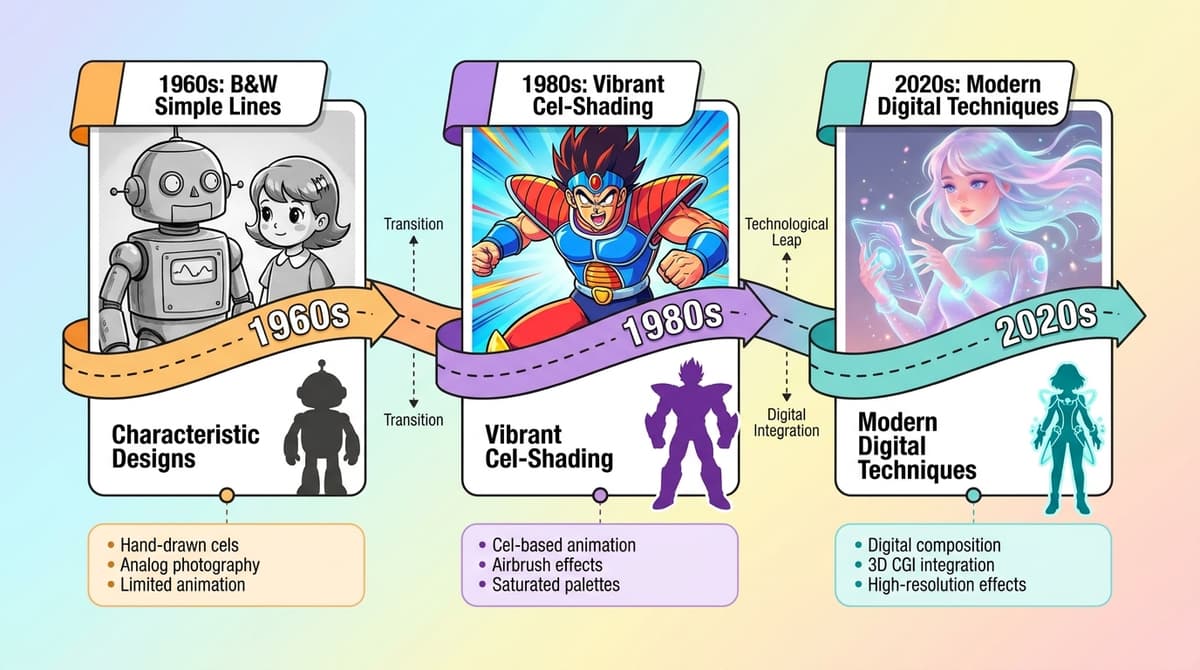
The History of Japanese Anime: From Early Experiments to Global Phenomenon
Anime has grown from experimental hand-drawn shorts in 1917 to a global entertainment force. Learn how Osamu Tezuka revolutionized TV animation, the industry's evolution through key decades, and why anime became worldwide.
Understanding Spirituality in 2026: A Guide to Modern Beliefs and Practices
Spirituality in 2026 is shifting toward personal, flexible practices that blend technology with timeless traditions. Young people are choosing individual spiritual paths over formal religion while seeking meaning and connection.

How to Manage Risk for the Everyday Man
Learn practical strategies to identify, understand, and manage the financial and life risks that affect your family and future, from emergency savings to insurance and smart budgeting.