The Zero Conditional: How to Talk About Facts and General Truths
- conditionals
- grammar
- present-simple
- sentences
What is the zero conditional?
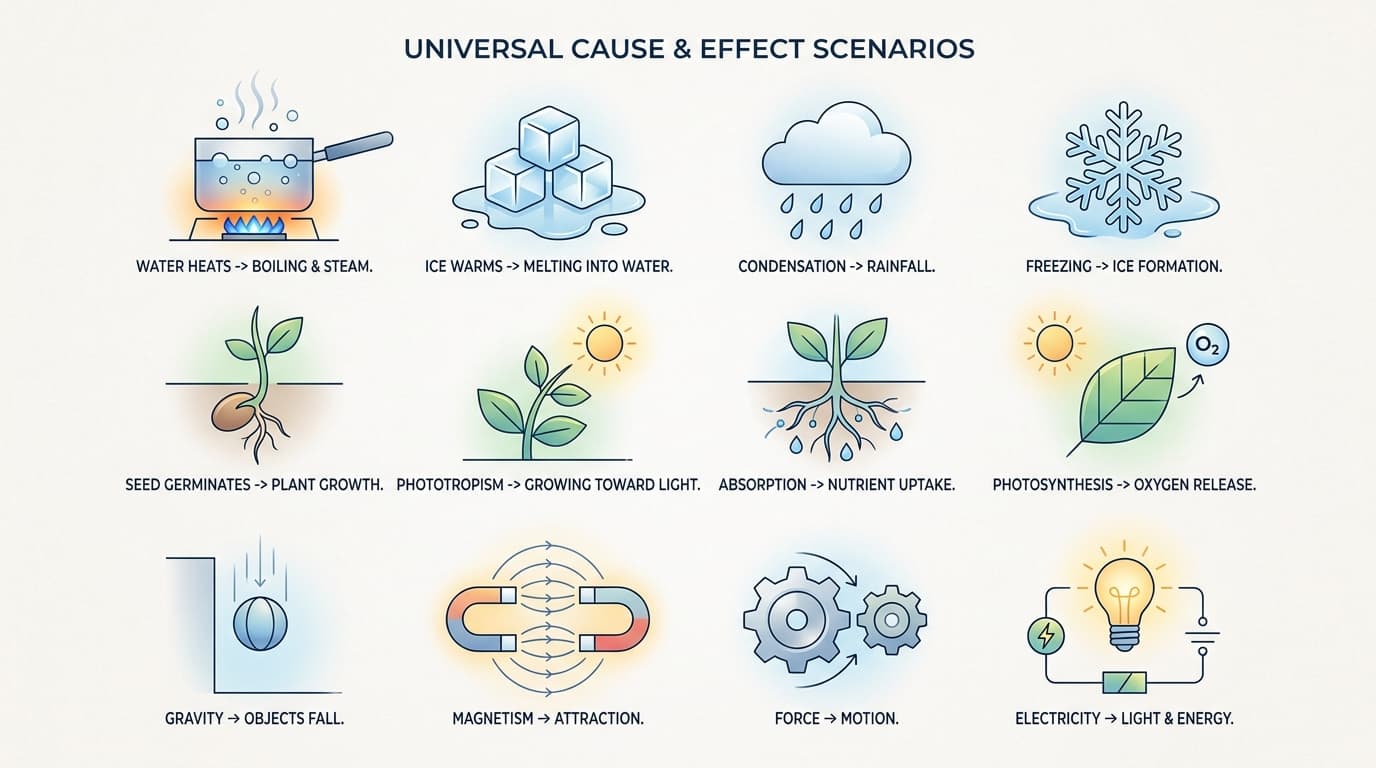
The zero conditional is used to talk about things that are generally true, especially for laws and rules.
It is used to make statements about the real world, and often refers to general truths, such as scientific facts. In these sentences, the time is now or always and the situation is real and possible.
Think of the zero conditional as the "facts pattern." When you want to say that something always happens if a condition is met—every single time, without exception—you use this structure.
If you heat water to 100°C, it boils.
If you mix red and blue, you get purple.
If people don't eat, they become hungry.
Each of these statements describes a result that is certain and unchanging.
How to form the zero conditional
The structure is: If + present simple, present simple. Both clauses (that is, both parts of the sentence) use the present simple tense.
Share
Test yourself
Which sentence correctly uses the zero conditional?
Sources
- Zero Conditional - Perfect English Grammar
- Conditionals: zero, first and second - British Council
- Zero Conditional - Cambridge Veritas
- Zero Conditional - EF Global Site
- How to use Zero Conditional - ESL Base
- Zero Conditional - Woodward English
- Zero Conditional - LanGeek
- The 4 Types of Conditional Sentences - Grammarly
Related articles

Possessive Pronouns: Mine, Yours, and the Rest
Possessive pronouns replace nouns to show ownership without repeating the noun itself. Learn the difference between mine and my, when to use whose, and how to avoid common mistakes.

Tag Questions: How to Use Them Correctly
Tag questions are short questions added to the end of statements to check information or ask for agreement. Learn how to form them correctly and use the right intonation.
The Past Perfect: When to Use 'Had Done' in English
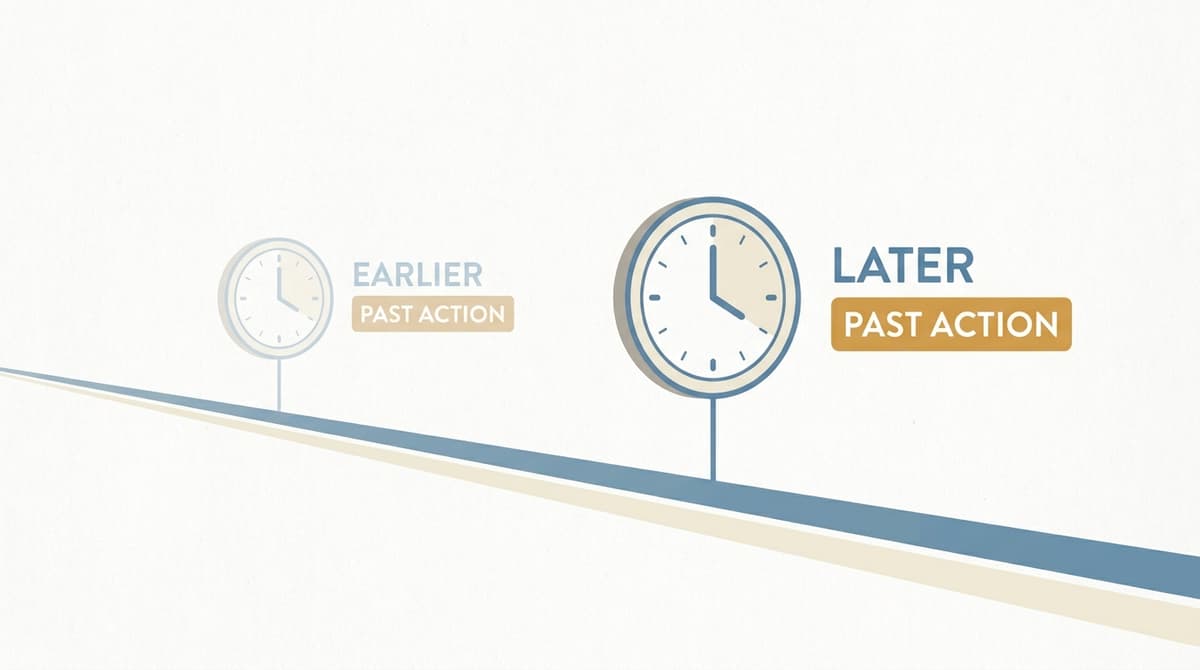
The past perfect shows which of two past actions happened first. Learn when you need it, when you don't, and how native speakers really use 'had done' in everyday English.