
How Losing Your Breath Helps You Lose Weight
- breathing
- weight-loss
- fitness
- metabolism
- health
The Hidden Connection Between Breath and Body Fat
When you think about weight loss, you probably think about dieting and exercise. But have you ever considered your breath? The phrase "losing your breath" during exercise is not just a figure of speech—it connects directly to losing body fat. Understanding this link can transform how you approach your fitness goals.
Here is a surprising fact: when fat is broken down, most of the fat mass is exhaled as carbon dioxide . This means that to lose weight, fat must literally leave your body through your lungs. The more you breathe—especially during exercise—the more fat your body can . This is why exercise that makes you "" is so effective for weight loss.
How Breathing and Exercise Work Together
The Science of Fat Burning
Understanding that fat is "burned" with inhaled oxygen and most of the mass lost must be exhaled as carbon dioxide might help individuals create realistic weight loss expectations . When your body burns fat for energy, the process requires oxygen. Your lungs take in oxygen, your blood carries it to your cells, and your cells use it to convert fat into energy and carbon dioxide.
For every 10 kilograms of fat lost, approximately 8.4 kilograms are exhaled as CO₂, and about 1.6 kilograms are lost as water through sweat, urine, or other fluids . This is the fundamental truth: you breathe out most of your lost weight.
Exercise and Oxygen Consumption
Aerobic exercise—the kind that makes you "lose your breath"—is one of the most effective ways to activate fat burning. Cardiovascular (aerobic) exercise increases heart and breathing rates, thus requiring more oxygen . When you run, swim, cycle, or engage in any activity that elevates your breathing, you create a demand for more oxygen throughout your body.
During intense aerobic exercise, something powerful happens: the efficiency of breathing off the fat increases metabolic activity seven-fold—which increases the CO2 breathed away as fat by 20%. If you engage in 1 hour of exercise, you will breathe away 240 grams of fat (carbon) compared to 203 grams if you were to remain sedentary .
The (EPOC)
Your body does not stop burning calories when you stop exercising. EPOC, often called the afterburn effect, is the oxygen and calories you burn to refuel and recover from a high-intensity workout . The EPOC effect produces a 6% to 15% increase in overall calorie consumption. So, if you use 300 calories during a workout, you may burn up to 45 bonus calories from EPOC .
The EPOC effect clearly increases with the intensity of the exercise, and the duration of the exercise . This is why high-intensity workouts that leave you breathless offer more fat-burning benefits than gentle activity.
Breathing Exercises: A Separate but Complementary Tool
Beyond the intense breathing of aerobic exercise, specific breathing exercises can support weight management through different mechanisms.
How Breathing Exercises Affect
breathing may raise resting metabolic rate . Your resting metabolic rate is the number of calories your body burns when you are not doing anything. Even a small increase in this rate means you burn more calories throughout the day without extra effort.
Several studies have found that practicing breathing exercises may promote weight loss and decrease body fat . In one notable study, those who participated in a diaphragmatic breathing exercise experienced a higher resting metabolic rate, which may lead to increased weight loss .
The Stress Connection
One of the most important ways breathing affects weight is through stress reduction. Breathing exercises may help weight loss by lowering hunger and increasing , a hormone that supports fullness. They may also lower -related stress that can drive cravings and emotional eating .
Stress is a silent weight-loss saboteur. When you are stressed, your body releases cortisol, a hormone linked to increased hunger and belly fat storage. Breathwork helps shift the body into mode (rest-and-digest), reducing cortisol and promoting metabolic balance .
Hunger and Appetite Control
Research shows a direct link between breathing and hunger. A study in 60 people showed that performing a breathing exercise, which involved holding their breath for 3–4 seconds while contracting their stomach muscles, decreased feelings of hunger on an empty stomach. Similarly, a small study observed that practicing slow-paced breathing for 10 minutes significantly reduced hunger in 65 women .
Common Breathing Techniques for Weight Management
Diaphragmatic Breathing (Belly Breathing)
Diaphragmatic breathing is the foundation of most breathing techniques for weight loss. When you inhale deeply with "belly breath," your diaphragm relaxes and moves downward. This creates space in your chest, allowing the lungs to expand. Greater oxygen flow in the body boosts the ability of individual cells to burn calories, increasing energy levels and making weight loss easier .
The technique is simple: sit upright with your feet flat on the floor. Breathe slowly through your nose, allowing your belly to rise as you inhale. Exhale slowly through your mouth or nose, letting your belly fall. Practice this breathing pattern for at least 10 minutes a day and enjoy the benefits of more energy, a faster metabolism, lower blood pressure — and easier weight loss .
The 4-7-8 Breathing Technique
This technique is popular for both relaxation and weight management. Close your lips and count to four in your head. Next, hold your breath for seven seconds, then exhale from your mouth for eight seconds. Complete this four full times, then you can gradually work your way up to eight full times .
Senobi Breathing
A Japanese breathing exercise to lose belly fat developed in the 2010s, Senobi breathing involves standing with arms overhead, inhaling deeply, and exhaling forcefully . Participants with obesity who repeated the exercise regularly for 1 month experienced a significant reduction in body fat .
Yoga Breathing (Pranayama)
In yoga, pranayam for weight loss includes techniques like Bhastrika (bellows breath) and Kapalbhati (forceful exhalations), which stimulate the digestive fire (agni) and improve metabolic rate .
Why Poor Breathing Works Against Weight Loss
Most people in modern, fast-paced societies breathe poorly. The problem is most of us practice , where the breath stays mainly in the upper area of the lungs and the diaphragm doesn't get much of a workout . Shallow breathing is associated with stress. So when you need deep breathing the most, you naturally do it the least .
Shallow breathing means your cells do not receive optimal oxygen. This reduces your ability to burn calories efficiently and often creates a vicious cycle: shallow breathing causes stress, stress causes more shallow breathing, and your metabolism slows.
The Relationship Between Weight Loss and Breathing Improvement
There is an important two-way relationship here. Not only does exercise-induced breathing help you lose weight, but weight loss also improves your breathing.
Modest weight loss improves breathing mechanics during submaximal exercise in otherwise healthy obese men, which is clinically encouraging. Improvement appears to be related to the cumulative loss of chest wall fat .
When shortness of breath is obesity-related, reducing your weight is the primary way to improve your symptoms. As weight is reduced, your carbon dioxide levels decrease and lung function improves .
This creates a positive cycle: exercise makes you breathe harder, losing your breath helps you lose weight, and weight loss makes breathing easier, which allows you to exercise more.
Important Limitations and Realistic Expectations
While breathing exercises and proper breathing are valuable tools, it is essential to be realistic about their role in weight loss.
Regular breathing burns approximately 2-5% of daily calories, depending on individual metabolic rates, breathing exercises for weight loss can increase calorie use slightly by engaging the respiratory and core muscles . This is a small increase, not a dramatic one.
Deep breathing exercises can increase calorie burn by 10-15% compared to normal breathing during the practice period, but the overall increase is modest. The calorie burn from even intensive breathing practices is minimal compared to moderate physical activity .
Breathing exercises are best viewed as a complementary practice that supports overall health and may indirectly benefit weight management through stress reduction and improved body awareness . In other words, breathing exercises alone will not produce significant weight loss, but combined with proper diet and regular exercise, they can make a meaningful difference.
Bringing It All Together: A Complete Weight-Loss Approach
The most effective weight-loss strategy combines multiple approaches:
-
Aerobic exercise that elevates your breathing and heart rate, creating the demand for oxygen that allows fat burning
-
Daily breathing exercises to reduce stress, improve metabolism, and control hunger
-
Proper nutrition to create a calorie deficit necessary for weight loss
-
Adequate sleep and recovery to support metabolic health
-
Consistent effort over time, because weight loss is a gradual process that requires sustained behavior change
When you exercise hard enough to "lose your breath," you are engaging your body in the fat-burning process. The oxygen you gasp for is literally being used to convert stored fat into energy and carbon dioxide. That carbon dioxide then leaves your body with each breath you exhale.
Understanding this connection transforms exercise from a chore into a process with clear biological purpose. Every heavy breath during a run, swim, or cycling session is your body breathing out fat. Combined with breathing exercises that reduce stress and support metabolism during rest, this creates a comprehensive approach to weight loss that works with your body's natural systems.
The next time you feel out of breath during exercise, remember: you are not just building fitness—you are literally breathing away your body fat, one exhale at a time.
Share
Test yourself
According to the post, what is the most direct way that fat leaves your body during weight loss?
Sources
Related articles
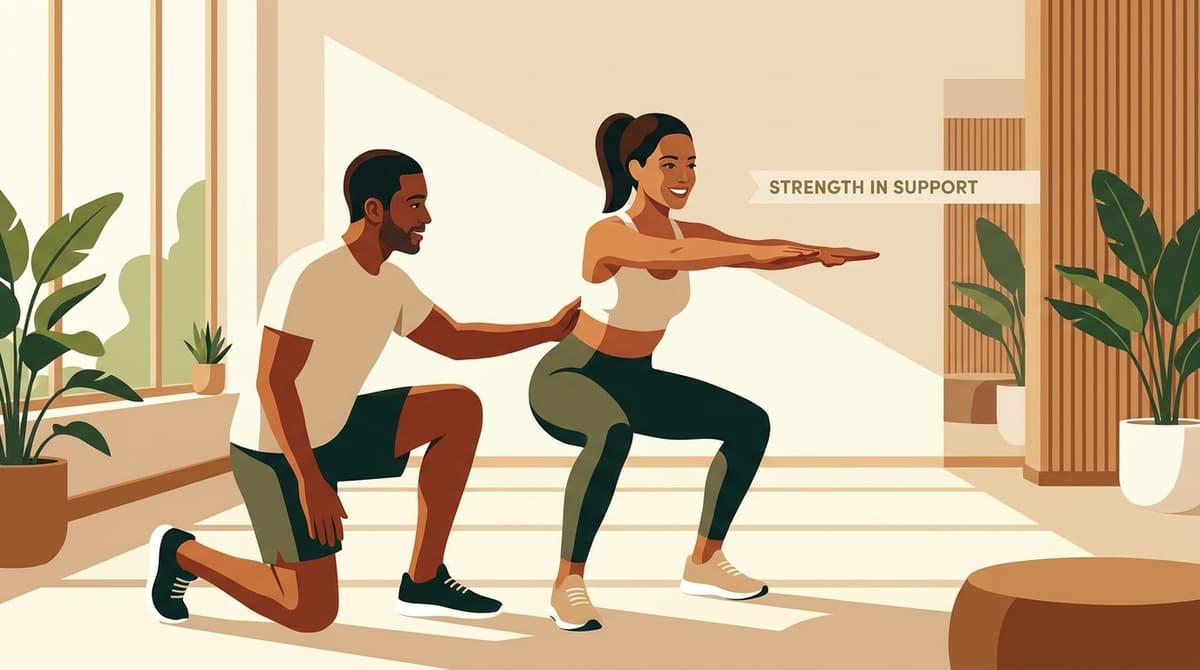
Become Your Best Friend's Personal Trainer
Learn how to become a real personal trainer for your best friend by mastering proper form, program design, professional boundaries, and the skills that keep them safe and motivated.

Building a Healthy Lifestyle for the Modern Man
A balanced healthy lifestyle for men today goes beyond the gym. Learn how exercise, sleep, nutrition, and mental wellbeing work together to build lasting strength and resilience.

Overcoming Modern Nicotine Addiction: A Complete Guide to Understanding and Quitting
Nicotine addiction is a serious modern health challenge affecting millions through cigarettes and e-cigarettes. Learn how addiction works in your brain and discover evidence-based strategies to quit successfully.