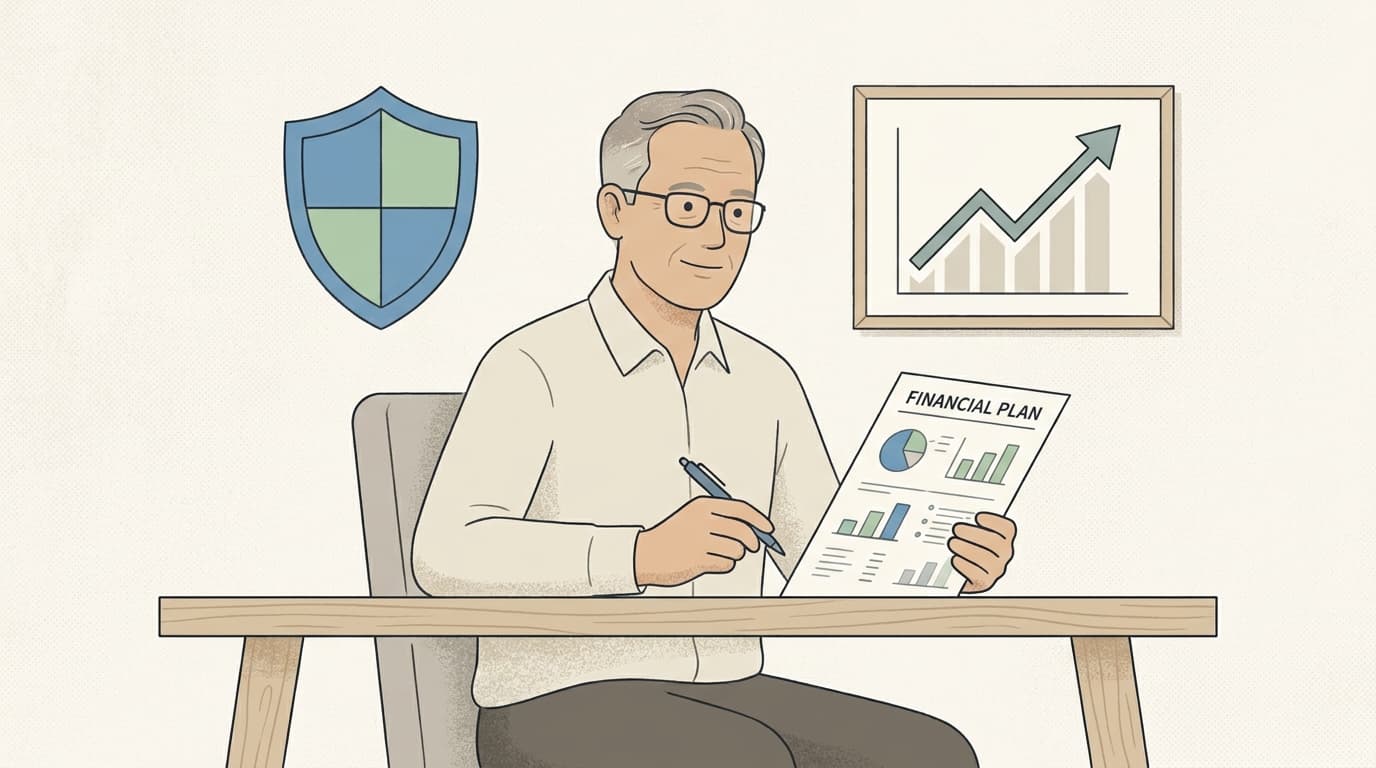
How to Manage Risk for the Everyday Man
- personal finance
- risk management
- financial security
- everyday people
What Is Risk Management?
Personal financial risk management is the process of identifying, assessing, and potential risks that could affect the financial security of you and your loved ones. This might sound complicated, but it is simply a way of preparing for the unexpected so that life's surprises do not destroy your financial .
While risk can't be eliminated, understanding and learning how to manage risks can give you a more secure financial future. The everyday man—a person working a regular job, supporting a family, paying bills—faces many kinds of financial risk. The goal of risk management is not to eliminate all risk (which is impossible), but to prepare for it and reduce its impact on your life.
The Main Types of Financial Risk
Understanding what can go wrong is the first step in protecting yourself. Here are the major risks you should know about:
Income Risk
Income risk refers to the risk of losing your job, having your work hours reduced, or your business failing. Essentially, any event that impacts your earning potential is an income risk. This is one of the most dangerous risks because your income is how you pay for everything—rent, food, debt payments.
Health Risk
A health risk would be an unexpected illness, injury, or disability that prevents you from working and leaves you with costly medical bills. A serious health event can do two kinds of damage: it stops your income (because you can't work) and creates new expenses (medical bills).
Property Risk
Property risk refers to the risk that your property, such as your home or vehicle, will be damaged, destroyed, or stolen, causing undue financial strain. Your home and car are among your most valuable possessions, and damage to them can be costly.
Investment Risk
Investment risk is the potential for your investments to lose value due to fluctuations in financial markets. Liability risk is the risk of facing legal action for causing injury or property damage to another person. These risks affect people who invest money and those who could be held responsible for accidents.
Step One: Build an
The foundation of risk management is an emergency fund. Maintaining a solid emergency fund is a straightforward yet crucial strategy. It ensures you have immediate access to funds in case of a sudden financial need without the necessity to investments at a loss.
How Much Should You Save?
A good rule of thumb for emergency savings is having enough to cover three to six months' worth of expenses. However, the amount you may need can vary depending on if you have a number of dependents (you need more) or a spouse with a job (you may need less), or if you have one income, are self-employed or have a family to support, you may want to save more.
If you are just starting, do not be discouraged by these numbers. There's nothing wrong with starting small. Set an attainable goal, such as $25 per week, and commit to building up your account.
How to Build Your Fund
Create a system for making consistent contributions. There are a number of different ways to save, and setting up automatic recurring transfers is often one of the easiest.
Most employers provide direct deposit, and some will even deposit to more than one account. Set up a separate account just for your emergency fund and have your chosen contribution amount deposited automatically, either by your employer or your bank.
Where to Keep Your Emergency Fund
Emergency funds are typically kept in bank accounts that pay interest and allow easy access to your money. High-yield savings accounts and money market accounts are two common options. These accounts may earn more interest than standard savings accounts, helping your money grow while it sits idle. The key is that your money should be easy to access when you need it, but separate enough from your daily spending account that you are not tempted to use it for everyday expenses.
Step Two: Get the Right Insurance
Insurance is —you pay a company to take on the risk of certain financial disasters. Without insurance, a single health emergency or accident could bankrupt you.
Health Insurance
Health insurance covers essential health benefits critical to maintaining your health and treating illness and accidents. Health insurance protects you from unexpected, high medical costs.
Without coverage, people can end up in deep debt or even bankruptcy.
Studies confirm that coverage improves access to care; supports positive health outcomes, including an individual's sense of their own health and well-being; incentivizes appropriate use of health care resources; and reduces financial strain on individuals, families and communities.
Life Insurance
Mortality risk is the possibility of premature death, which can leave behind financial liabilities for the family. Mortality risk can be managed by purchasing adequate life insurance coverage, which can provide financial support to the family in case of the policyholder's untimely death. If others depend on your income, life insurance is essential.
Disability Insurance
Our ability to earn income is our greatest asset. Maintaining disability income insurance can act as a against lost income in the case of a short- or long-term period in which you are not able to work. Insurance policies can replace up to 60% of your income in most cases, while premiums will cost you around 1% to 3% of your annual salary.
Property Insurance
Evaluate your insurance needs, including health, life, disability, and property insurance. Make sure you have adequate coverage to protect you, your family, and your assets.
Step Three: Control Your Spending with a Budget
A budget is not about limiting yourself—it is about making conscious choices with your money so you know where it goes.
Why Budgeting Matters
Utilize some sort of budget to track and manage your spending habits.
A budget identifies areas where you can spend less, so you can use some of your money to achieve bigger financial goals, such as paying off debt or saving more. Finances are a common source of stress. Using a budget can reduce it by helping you feel more in control of your money.
A Simple Framework: The 50/30/20 Rule
One popular approach to budgeting is the 50/30/20 rule: 50% for Needs: Allocated to essential expenses such as housing, utilities, groceries, transportation, insurance, and minimum loan payments. The remaining 30% goes to wants (entertainment, dining out) and 20% to savings and debt repayment. You can adjust these percentages based on your situation.
Avoid the Debt Trap
Cash and debit spending feels more grounded for many people. That's because you're working with the money you actually have. There's no delayed bill or hidden interest. This level of mindfulness can make you think twice before spending.
Automating your bill payments—whether it's utilities, credit cards, or rent—helps ensure that you're never late and don't unnecessary fees or interest charges.
Step Four: Diversify Your Investments
If you have money to invest beyond your emergency fund, protects you from losing everything in a single downturn.
What Is Diversification?
Diversification is the practice of spreading your investments around so that your exposure to any one type of asset is limited. This practice is designed to help reduce the of your portfolio over time.
How It Works
Keeping all your money in one basket, whether that's stocks, bonds, or real estate, exposes you to the risk of losing more during a or geopolitical event. A diversified portfolio, on the other hand, spreads your money across multiple investments. A well-diversified portfolio includes a mix of stocks, bonds, and potentially, alternative investments across various sectors, company sizes, and geographic regions.
The simple idea: When stock prices fall, bonds typically (but not always) go up. By owning both, you can reduce big swings in your portfolio's value.
Who Should Diversify?
The right asset allocation depends on your individual risk tolerance, time horizon, and financial goals. A young person saving for retirement 30 years away can afford more risk (more stocks). Someone nearing retirement may want more stability (more bonds).
Step Five: Plan Ahead and Review Regularly
Risk management is not a one-time task. Your situation changes, and your plan must change too.
Regular Review
Review and update your risk management strategy as your financial and life circumstances change. Major life events—a new job, a child, a health problem, a raise—mean you should review your emergency fund, insurance coverage, and budget.
Know Your Risk Tolerance
The amount of risk you take on is up to you. Some people are naturally more cautious and , while others may have life goals that require more risk, such as starting a business. Always evaluate the risk-reward proposition before making a decision.
Make It a Habit
The key to managing your personal financial risk is to be proactive and have a plan in place for when and if the unexpected happens. Small steps taken today—saving $25 a week, getting insurance, making a budget—compound into real security.
The Bottom Line
After you assess these potential risks, you'll be in a position to take steps to minimize their impact through purchasing life insurance, creating an emergency fund, or making informed decisions about investments. Risk management is not about being afraid of the future; it is about being ready for it.
Achieving financial stability requires financial habits that have positive, far-reaching and long-term implications. And being financially stable has more benefits than enabling you to pay all your bills; it can also help your mental well-being.
Start where you are. With a small emergency fund, the right insurance, a budget, and a long-term view, you can build a life where financial surprises do not control you. That is what risk management is really about.
Share
Test yourself
What is the primary purpose of building an emergency fund?
Sources
- Personal Financial Risk Management | New York Life
- Understanding Risk Management in Personal Finance | Ascend Financial
- An essential guide to building an emergency fund | Consumer Financial Protection Bureau
- Health Insurance: Why It Matters for You & Your Future | InsZone Insurance
- Portfolio diversification: What it is and how it works | Vanguard
Related articles

Understanding Spirituality in 2026: A Guide to Modern Beliefs and Practices
Spirituality in 2026 is shifting toward personal, flexible practices that blend technology with timeless traditions. Young people are choosing individual spiritual paths over formal religion while seeking meaning and connection.

The Best Natural Sources of Carbohydrates for Your Health
Discover which natural carbohydrate sources provide the most nutrients and health benefits, from whole grains and legumes to starchy vegetables and fruits.

How Losing Your Breath Helps You Lose Weight
Discover the surprising connection between breathing, exercise, and weight loss. Learn how proper breathing and cardiorespiratory exercise work together to burn fat and improve your metabolism.